Carbon Emissions in the Automotive Sector: Challenges, Impacts, and the Road Ahead
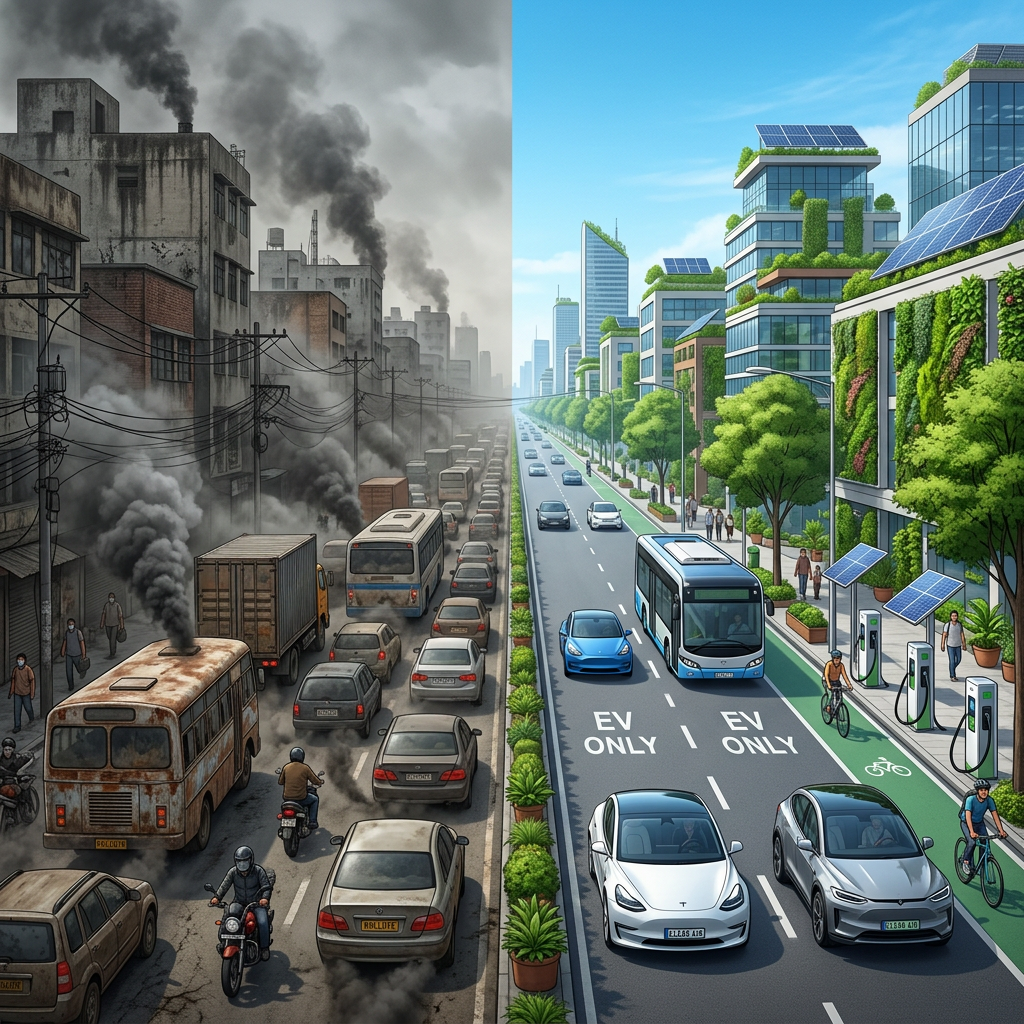
The automotive industry has long been a cornerstone of modern life, enabling mobility, economic growth, and global connectivity. However, this convenience comes at a significant environmental cost. Carbon emissions from vehicles—primarily in the form of carbon dioxide (CO₂)—are a major contributor to climate change, making the automotive sector a central focus in the fight for a sustainable future.
Understanding Automotive Carbon Emissions
Most vehicles on the road today rely on internal combustion engines (ICEs) powered by fossil fuels such as petrol and diesel. When these fuels burn, they release CO₂ and other greenhouse gases into the atmosphere. Over time, the accumulation of these gases traps heat, leading to global warming and its associated impacts, including rising sea levels, extreme weather events, and ecosystem disruption.
Transportation accounts for a substantial share of global carbon emissions, with passenger vehicles making up a large portion. Rapid urbanization and population growth have only increased the number of vehicles on the road, intensifying the problem.
Key Factors Driving Emissions
Several factors influence the level of carbon emissions from automobiles:
- Vehicle Type and Age: Older vehicles tend to be less fuel-efficient and lack modern emission-control technologies.
- Fuel Quality: Low-quality fuels can lead to incomplete combustion, increasing emissions.
- Driving Conditions: Congested traffic, frequent braking, and idling all contribute to higher fuel consumption.
- Maintenance Practices: Poorly maintained engines emit more pollutants due to inefficiencies.
Environmental and Health Impacts
The environmental consequences of automotive emissions are far-reaching. Beyond climate change, vehicle emissions contribute to air pollution, which has direct health impacts such as respiratory diseases, cardiovascular issues, and reduced overall air quality—especially in densely populated urban areas.
Innovations and Solutions
The automotive industry is undergoing a transformative shift aimed at reducing emissions:
- Electric Vehicles (EVs): EVs produce zero tailpipe emissions and are becoming increasingly accessible as battery technology improves.
- Hybrid Vehicles: Combining traditional engines with electric power, hybrids reduce fuel consumption and emissions.
- Alternative Fuels: Biofuels, hydrogen, and compressed natural gas (CNG) offer cleaner alternatives to conventional fuels.
- Stricter Regulations: Governments worldwide are implementing emission standards to limit the environmental impact of vehicles.
The Role of Individuals and Policy
While technological advancements are critical, individual choices also play a vital role. Opting for public transportation, carpooling, or non-motorized transport like cycling can significantly reduce one’s carbon footprint. Regular vehicle maintenance and mindful driving habits further contribute to emission reduction.
At the policy level, governments can encourage sustainable practices through incentives for EV adoption, investments in public transport infrastructure, and urban planning that reduces dependency on private vehicles.
Conclusion
Reducing carbon emissions in the automotive sector is not just a technological challenge—it is a societal one. It requires collaboration between manufacturers, governments, and individuals. As innovation accelerates and awareness grows, the path toward cleaner transportation becomes more achievable. The journey may be long, but every step taken today drives us closer to a more sustainable and environmentally responsible future.